Ironworkers
Used Ironworkers for Sale in Jackson, MI
Looking for a small shop ironworker for sale? Our inventory is always changing but we carry some of the better manufacturing brands of ironworkers. From Mubea to Buffalo you never know what kind of iron worker we will have for sale next.
Showing all 2 machines in stockSorted by price: low to high
-
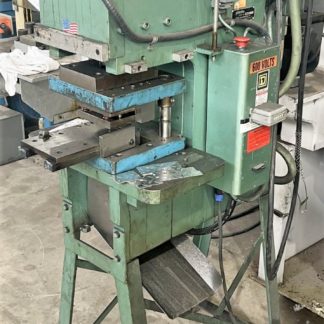
35 Ton Piranha Ironworker
15 Request a Quote35
Tons21
Bed RL8
StrokeNew in 11Used Fabrication MachineIndustrial Machinery for SaleIronworkerModel SEPP-35-160Approx. 4" to 6" Stroke, 13/16" Dia. Through 1/2", 8" Daylight, 21" x 11" Bed Area, 575V (Can be converted to 230V or 460V for no additional cost)Machine #6692
Jackson, MI Cooper BuildingStarting Price: $ -

106 Ton Buffalo Universal Ironworker
900 Request a Quote.500
Shear Thickness0.75
Punch Thickness1.5
Bar Cutter1Used Fabrication MachineIndustrial Machinery for SaleUsed IronworkerModel 1/2Year: 1Punch: 1" X 5/8" or 13/16" X 3/4", Bar Cutter, Notcher, Shear End, Coper, 440 VoltMachine #5470
Jackson, MI Falahee BuildingStarting Price: $9,500
An ironworker machine is one of the most versatile tools in a fabrication shop. Ironworkers combine multiple metalworking functions
This page answers common questions people ask when researching ironworkers, especially first-time buyers trying to understand tonnage, capacity,
Ironworkers are designed for high-force, short-stroke work like punching holes and shearing stock. Most machines are built around a powerful
Ironworker tonnage is the maximum force available for punching and related operations. Higher tonnage generally supports larger hole sizes,
Capacity ratings can vary depending on whether the rating is based on mild steel and what tensile strength is assumed. When comparing ironworkers,
The punch station uses punch and die sets. Proper tooling selection affects hole quality, tool life, and tonnage required.
Ironworkers are used to punch holes, shear stock, notch corners, and process common steel shapes quickly. They are a staple in fabrication shops
Start with your largest expected punch diameter and material thickness. Hole size and thickness drive tonnage. If your work is mostly flat bar shearing
Many ironworkers can punch stainless, but capacity typically decreases because stainless requires more force. Tooling selection, punch/die clearance,
Common causes include dull tooling, incorrect punch/die clearance, misalignment, or punching beyond recommended capacity. Material variation and
Clearance is the gap between the punch and die. Proper clearance improves hole quality and reduces tool wear. Too little clearance increases tonnage
Most ironworkers use standardized tooling formats, but compatibility varies by brand and model. Specialty tooling exists for larger holes, oblongs,
into one footprint, typically including punching, flat bar shearing, angle shearing,
notching, and sometimes bending or specialty stations. For many shops, an ironworker is the fastest way to process
plate, flat bar, angle, and channel without constantly changing machines or setups.
tooling, and how ironworker stations differ.
What does an ironworker do?
hydraulic system that drives different workstations. Instead of using separate machines for each operation, an ironworker allows fast changes
between tasks with consistent results.
Common ironworker stations
What “tonnage” means on an ironworker
thicker materials, and tougher alloys. In real use, tonnage requirement depends on hole diameter, material thickness, and material strength.
Ironworker capacity: what it really means
capacity is usually discussed for:
Tooling and punch/die basics
Common tooling considerations include punch shape (round, oblong, square), clearance, and whether you need special tools for oversized holes.
Common applications for ironworkers
Ironworker FAQs (high search intent)
What is an ironworker machine used for?
because they reduce handling and speed up prep work before welding and assembly.
How do I know what tonnage ironworker I need?
and small hole punching, lower tonnage may work. If you punch larger holes in thicker plate, higher tonnage matters.
Can an ironworker punch stainless steel?
and tonnage become more important. Always plan for higher tonnage requirements on tougher materials.
Why are punched holes sometimes rough or out of round?
poor support can also affect hole quality.
What is punch/die clearance?
and can cause heavy burrs. Too much clearance can cause tearing and poor edge quality.
Do ironworkers require special tooling?
notching shapes, and custom profiles.
What should I pay attention to on a used ironworker?
What information helps match an ironworker to my shop?
Common ironworker terms
Showing all 2 machines in stockSorted by price: low to high